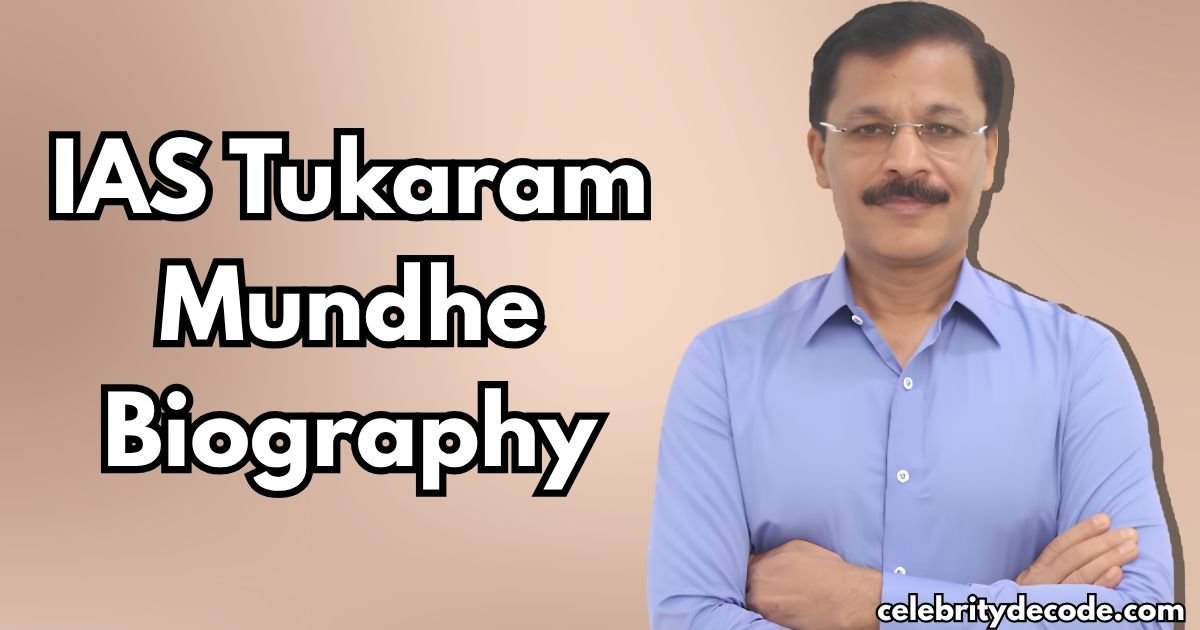
Rising from a farming family in Maharashtra to the Indian Administrative Service, Tukaram Mundhe has built a career marked by demanding administrative assignments and public attention. His work in Maharashtra’s Food and Drug Administration brought him wider recognition in 2026, when inspections of restaurants and other food businesses became a major news story.
His biography covers his early life, educational qualifications, UPSC success, administrative postings, reported transfers, and public service initiatives. This article also examines his food safety campaign, the criticism surrounding some enforcement actions, his achievements, and the latest available information about his government responsibilities.
Who Is Tukaram Mundhe?

Tukaram Haribhau Mundhe is an Indian Administrative Service officer from Maharashtra who joined the service in 2005. He has served in several areas of government, including district administration, municipal governance, transport, health, and food safety. His career has attracted attention for both his administrative initiatives and the frequent transfers reported by news organisations.
Tukaram Mundhe Quick Facts
The information above is based on the biographical reports and officer profile records available for this article. Government postings can change, and some databases may not reflect recent appointments immediately.
Tukaram Mundhe Age, Date of Birth and Early Life
Born on 3 June 1975, he was 51 years old in October 2026. He grew up in Beed district in Maharashtra’s Marathwada region, an area where agricultural challenges have affected many rural families. His early circumstances and educational journey became important parts of the public story surrounding his entry into the civil services.
Birthplace and Village Background
Mundhe was born in Beed district, Maharashtra. Reports describe his family as having a farming background, with agriculture playing an important role in his early life. His experience growing up in a rural setting is frequently mentioned in accounts of his journey into public administration.
Family Background and Parents
His father, Haribhau Mundhe, was a farmer, while his mother, Aasrabai, managed the household, according to published biographical reporting. His elder brother, Ashok, also played a significant role in supporting his education. Reports say Ashok was the first person from their village to attend college and helped finance his younger brother’s studies.
Childhood and Early Challenges
Accounts of his childhood describe a family that faced financial limitations. He reportedly helped with agricultural work and sold vegetables while growing up. He also attended a Zila Parishad high school. These experiences have been associated with his motivation to pursue education and eventually enter the Indian Administrative Service, although his personal motivations should be understood through the accounts attributed to him and his biographers.
Tukaram Mundhe Education Qualification
His educational background includes a bachelor’s degree in History and a master’s degree in Political Science. Both qualifications are associated with Dr. Babasaheb Ambedkar Marathwada University in Aurangabad, now Chhatrapati Sambhajinagar. His officer records also list a UGC JRF qualification in Political Science.
He completed his bachelor’s degree in 1996 and his master’s degree in 1998, according to published biographical accounts. His academic background is relevant to his civil service career, but a degree alone does not explain his UPSC performance. His selection also involved preparation for a competitive examination assessing a broad range of knowledge and administrative aptitude.
Tukaram Mundhe UPSC Journey and IAS Rank
Mundhe cleared the UPSC Civil Services Examination in 2004 and reportedly secured All India Rank 20. His selection led to his entry into the Indian Administrative Service, with the Maharashtra cadre and a service batch of 2005. His journey is frequently discussed as an example of a candidate from a farming family entering India’s senior civil services.
UPSC Civil Services Examination 2004
Biographical reports state that Mundhe cleared the examination without taking formal coaching. This detail has become a notable part of accounts of his selection, though it should not be interpreted as evidence that coaching is unnecessary for every candidate. Preparation methods vary, and success depends on a combination of knowledge, examination skills, consistency, and individual circumstances.
All India Rank 20
Mundhe reportedly secured the 20th rank nationally in the 2004 Civil Services Examination. This result placed him among the successful candidates selected for civil services. When publishing rank related information, it is important to distinguish his reported examination rank from his IAS batch year, which is 2005.
IAS Selection and Maharashtra Cadre Allocation
He joined the Indian Administrative Service as a direct recruit in the 2005 batch and was allocated the Maharashtra cadre. His subsequent career included district level administration, municipal leadership, and appointments in state government departments. These roles gave him experience in areas ranging from revenue administration and urban development to public health and food regulation.
Tukaram Mundhe IAS Career and Posting History
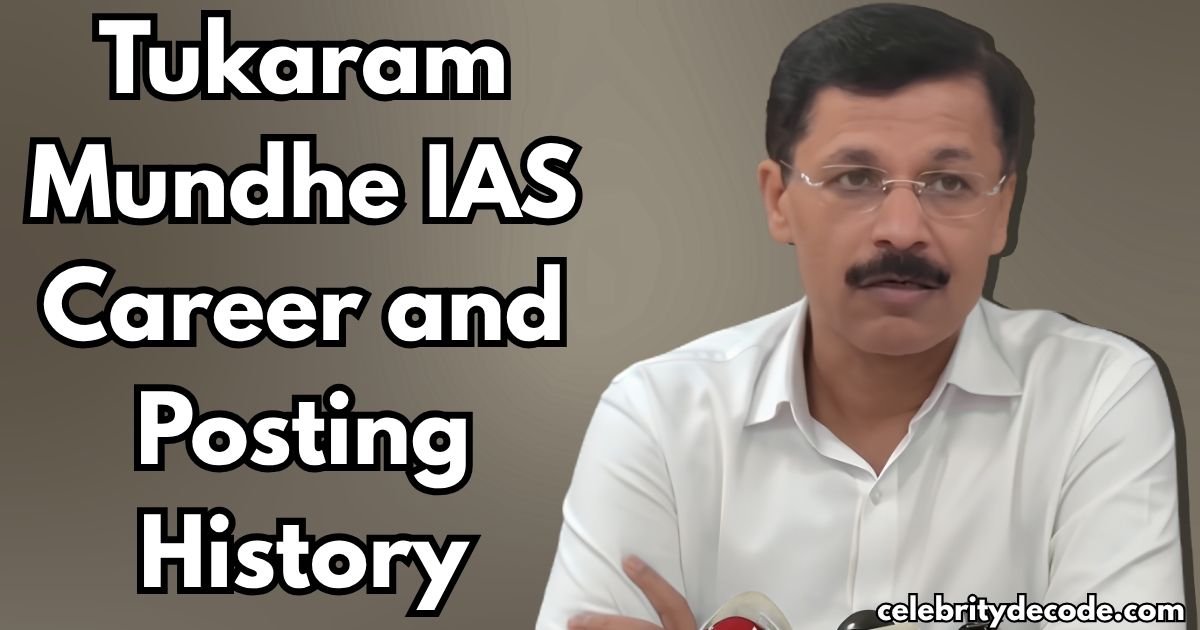
Mundhe has worked in multiple administrative positions across Maharashtra. His assignments have included district administration, municipal corporations, public transport, health services, and state departments. The dates and titles shown in different public databases do not always match, particularly where additional charges, deputations, or overlapping designations are recorded separately.
Early Career as Assistant Collector
His early service included Assistant Collector assignments in Nanded and Solapur. These roles formed part of his initial experience in district administration, where officers work with revenue matters, public services, and the implementation of government programmes. He later held positions involving rural development and district level administration.
District Collector of Jalna and Solapur
Mundhe served as District Collector of Jalna and later Solapur. District collectors coordinate government administration across a range of areas, including revenue, disaster management, and public services. His work in Solapur also brought attention to his reported efforts against illegal sand mining and the threats associated with confronting local interests.
Municipal Commissioner of Navi Mumbai
In 2016, he became associated with municipal administration in Navi Mumbai. News reports described disagreements over approved development projects and his preference for redirecting resources towards public infrastructure. His reported Walk with the Commissioner initiative invited residents to discuss civic issues during Sunday morning walks, bringing him into direct contact with citizens.
Leadership at PMPML in Pune
Mundhe led Pune Mahanagar Parivahan Mahamandal Limited, the public transport undertaking serving Pune and Pimpri Chinchwad. His tenure attracted attention over employment and operational decisions, including action against contract drivers for repeated absenteeism. Some measures faced opposition from employee unions, illustrating the challenges of managing a public transport organisation.
Municipal Commissioner of Nashik and Nagpur
He also served as Municipal Commissioner in Nashik and Nagpur. In municipal administration, the commissioner oversees civic services, infrastructure, sanitation, and the implementation of municipal policies. His Nagpur tenure during the COVID-19 period received public attention, with reporting describing support for his work during the pandemic.
Health Department and National Health Mission
In 2022, Mundhe was appointed Commissioner of Family Welfare and Director of the National Health Mission in Maharashtra. Reports said he initiated inspections and action against government medical staff accused of running private clinics during government working hours or being absent from duty. He was transferred after a short tenure, according to contemporary news coverage.
Other Maharashtra Government Department Roles
His later assignments included the Development Commissioner role relating to unorganised labour and the Secretary position in the Divyang Kalyan Department. In May 2026, reports identified him as Commissioner of the Maharashtra Food and Drug Administration. An October 2026 report subsequently announced his appointment as Secretary of the Maharashtra Public Service Commission, so the latest official order should be checked before stating his present designation definitively.
Career Timeline and Major Postings
The table summarises selected positions mentioned in the available biographical and service profile sources. It is not an exhaustive official service record.
Public databases differ in how they count postings and overlapping roles. Readers should consult the relevant government orders for exact appointment and relieving dates.
Why Has Tukaram Mundhe Been Transferred So Many Times?
Frequent transfers have become a recurring theme in reports about Mundhe’s career. News coverage has described him as having experienced numerous transfers over approximately two decades of service. The precise total differs by source, partly because administrative databases may count additional responsibilities and overlapping assignments differently.
Reported Transfer Count and Career Timeline
One 2026 report stated that Mundhe had been transferred 25 times in 21 years of service. Other officer databases list different totals for recorded postings. These figures should not automatically be treated as identical: a transfer, a new designation, an additional charge, and a separately recorded posting may represent different administrative events.
Disputes During Municipal and Administrative Postings
Reports have described disagreements involving development projects, public transport management, and action against alleged misconduct in government services. Such decisions sometimes drew opposition from elected representatives, unions, or affected organisations. However, the existence of a disagreement does not establish why a transfer occurred. Any claim linking a specific posting change to political pressure requires reliable evidence.
Public Support and Criticism of His Working Style
Supporters have praised his focus on public services, enforcement, and accountability. Critics have argued that a confrontational administrative style can create conflict or bypass opportunities for businesses and institutions to correct violations. Both perspectives are part of his public profile, and neither should be treated as a complete explanation of every posting change.
Tukaram Mundhe as Maharashtra FDA Commissioner
The Maharashtra Food and Drug Administration regulates food and certain other products under the applicable legal framework. As its commissioner in 2026, Mundhe became widely associated with a campaign of inspections at restaurants, cafes, commercial kitchens, and other food businesses. The campaign brought food hygiene and regulatory compliance into public discussion.
When Did He Become FDA Commissioner?
News reports place Mundhe’s appointment as Maharashtra FDA Commissioner in May 2026. His department subsequently carried out inspections and enforcement actions at food establishments. Reports published later in the year also described an appointment to the Maharashtra Public Service Commission, making it important to distinguish his FDA tenure from his later reported administrative responsibilities.
Responsibilities of the Food and Drug Administration
The department’s responsibilities include monitoring compliance with food safety requirements, inspecting regulated establishments, investigating violations, and taking appropriate enforcement action. Its work is intended to protect consumers from unsafe, substandard, or mislabelled products. Enforcement must follow the applicable law, including the procedures governing notices, corrective measures, and licence suspension.
Restaurant and Commercial Kitchen Inspections
Under Mundhe’s leadership, inspection teams visited restaurants and other food businesses to examine cleanliness, storage, food handling, and possible pest infestations. Photographs and videos showing unhygienic conditions received widespread attention. The publicity encouraged discussion about kitchen standards, but a reported violation at one establishment should not be assumed to represent every business in the industry.
Action Against Food Adulteration and Hygiene Violations
Food safety enforcement can involve action against unsafe products, poor storage practices, hygiene failures, and mislabelling. Reports about the Maharashtra campaign described notices and licence suspensions at some establishments. The appropriate response depends on the facts of each case and the relevant statutory requirements, rather than on the popularity or reputation of a business.
Food Licences, Notices and Regulatory Compliance
Food businesses must meet applicable licensing and safety requirements. Regulators may issue improvement notices or take more serious measures when the law permits. The distinction matters because not every deficiency necessarily warrants immediate suspension. Fair enforcement requires a documented basis for action and compliance with the relevant legal process.
Food Safety Measures for Schools and Canteens
Reports on the campaign also described attention to school canteens, hostel kitchens, and midday meal suppliers. These settings are important because children depend on institutions to provide food that meets appropriate safety standards. Licensing, food handling, and hygiene checks can help reduce risks, but their impact depends on consistent monitoring and compliance over time.
Restrictions on Unsafe Food Packaging and Products
The campaign included restrictions or enforcement measures concerning practices such as wrapping food in newspapers, the use of certain synthetic food colours, and products described as analogue paneer. These measures relate to food safety and product standards. The exact legal status of a product or practice should be verified against the relevant regulation before making a specific claim.
Tukaram Mundhe Food Safety Campaign: Results and Public Response
The campaign became prominent because inspections were accompanied by visible photographs, videos, and public statements. Supporters welcomed the attention given to food hygiene, while some businesses and hospitality representatives questioned the way enforcement was carried out. Assessing the campaign requires looking at both its public health objectives and the legal procedures used in individual cases.
Why the Inspections Attracted National Attention
The images released during inspections showed conditions that many consumers would find concerning, including dirty work areas and evidence of pests. The publicity made food safety a visible issue beyond regulatory offices. It also raised questions about how consistently food standards are enforced across large establishments, small businesses, and government facilities.
Viral Videos and Social Media Popularity
Videos of inspections and press briefings circulated widely on social media, making Mundhe a recognisable figure beyond Maharashtra. BBC reporting in September 2026 described him as having more than 3.8 million Instagram followers at that time. Social media attention can increase awareness, but follower numbers are time sensitive and do not by themselves measure the effectiveness of a regulatory campaign.
Public Health Benefits and Industry Response
Consumers and supporters welcomed the visible action against hygiene violations. Some hospitality representatives, however, argued that immediate enforcement could create uncertainty when a problem was minor or correctable. A sound assessment should consider whether the inspections identified genuine risks, whether the response was proportionate, and whether businesses received the procedures required by law.
What His Enforcement Campaign Means for Consumers
For consumers, the campaign highlighted the importance of checking food hygiene, safe storage, and responsible handling. It also demonstrated why effective regulation needs more than occasional high profile raids. Consistent inspections, accessible complaint channels, fair legal procedures, and lasting improvements in business practices are important if the public health benefits are to continue after an individual officer moves to another role.
Controversies and Court Cases Related to His FDA Actions
The food safety campaign received support but also faced legal challenges. Restaurant representatives questioned some enforcement decisions, while Mundhe defended the department’s actions as necessary to protect public health. These disagreements make it important to distinguish the department’s stated objectives from the legality and proportionality of particular decisions.
Restaurant Owners’ Concerns About Enforcement
Some hospitality representatives alleged that businesses were being penalised without sufficient opportunity to correct minor or procedural shortcomings. They argued that enforcement should distinguish between urgent threats to public health and deficiencies that can be remedied. Such statements represent industry concerns and should not be treated as proof that every challenged action was unlawful.
Legal Procedures for Licence Suspension
Food safety laws provide procedures for inspections, notices, and licence related action. Immediate suspension may be available in urgent circumstances, subject to the applicable legal requirements. Whether an action was justified depends on the evidence, the reasons recorded by the authority, and the process followed in that individual case.
Bombay High Court Observations
A widely reported August 2026 case involved a sweets shop whose licence remained suspended after a reinspection reportedly found the business largely compliant. News reports said the Bombay High Court ordered compensation of ₹5 lakh and criticised the department for going beyond what was justified in that matter. The case illustrates why enforcement decisions may be reviewed by courts even when the regulator’s public health objectives are legitimate.
Tukaram Mundhe’s Response to Criticism
Mundhe told reporters that the campaign was intended to protect public health rather than close businesses indiscriminately. He maintained that serious violations warranted action and that establishments complying with the rules should not face such measures. His position and the criticism from affected businesses should both be considered alongside court findings and the records of each case.
Tukaram Mundhe’s Current Posting in 2026
Mundhe’s responsibilities changed during 2026, and public sources have not always updated at the same time. Reports identified him as Maharashtra FDA Commissioner from May 2026, while October reporting announced his appointment as Secretary of the Maharashtra Public Service Commission. The latest government order is the appropriate source for confirming his present designation.
Is Tukaram Mundhe Still Maharashtra FDA Commissioner?
Available reports identify him as FDA Commissioner beginning in May 2026, but later reports announced his appointment as MPSC Secretary in October. Some online officer profiles may still display the earlier FDA position. Before publishing a definitive statement about his current role, check the latest official appointment notification and the relevant department’s updated officer directory.
His Additional Role on the MPSC Inquiry Committee
October 2026 reports described Mundhe as the newly appointed Secretary of the Maharashtra Public Service Commission and as member secretary of a five member inquiry committee chaired by former judge Dilip Bhosale. The committee was formed to examine alleged examination paper leaks and other irregularities associated with the commission’s functioning.
What the MPSC Committee Has Been Asked to Examine
The reported inquiry concerns allegations about examination paper leaks and other irregularities in the MPSC’s operations. The committee’s task is to examine the issues referred to it, not to establish guilt before evidence is assessed. Any conclusions should be attributed to the committee’s official findings or subsequent government statements once they become available.
Read Also: IAS Ravi Kumar Sihag Biography: Age, Rank, Education, UPSC Journey, Career
Tukaram Mundhe’s Achievements and Awards
His career includes assignments in district administration, municipal governance, transport, health, and food regulation. Reports have highlighted his work in water conservation and public administration, along with the public response to some of his municipal initiatives. Specific awards and institutional recognitions should be included only where the awarding organisation or a reliable report confirms the details.
Work in Water Conservation
Mundhe has been described in media coverage as the “waterman of Maharashtra” because of his reported work on water conservation in drought prone areas. The nickname is a media description rather than an official designation. Any detailed account of particular projects should identify the location, period, and documented outcomes rather than relying only on the label.
Contributions to Municipal Administration
His municipal roles involved urban infrastructure, public transport, and civic services. Reporting on Navi Mumbai highlighted his engagement with residents and disputes concerning proposed development projects. His time in Nagpur also received attention during the COVID-19 pandemic. These examples illustrate the breadth of his administrative assignments, although individual outcomes should be evaluated using reliable records.
Public Health and Food Safety Initiatives
His work in health administration and food regulation has brought attention to inspections, compliance, and consumer safety. The 2026 FDA campaign made food hygiene a prominent public issue. Its longer term contribution will depend on whether inspections lead to sustained improvements, consistent legal enforcement, and stronger routine compliance rather than temporary changes driven by publicity.
Reported Awards and Recognitions
Published accounts mention recognition for district administration and public service initiatives, including a Best Collector Award attributed to the Government of Maharashtra for 2015–2016. Reports have also described awards received by municipal organisations during his tenure. Because an award given to an organisation is not necessarily a personal award, each recognition should be checked against its original announcement before being presented as his individual achievement.
Tukaram Mundhe Salary and IAS Pay Level
An IAS officer’s salary depends on the applicable pay level, years of service, allowances, deductions, and posting conditions. A single figure taken from a general salary estimate may not represent an officer’s actual monthly earnings. Public officer profiles associate Mundhe with Pay Level 13, but the relevant service record should be checked before publishing this as his current pay classification.
IAS Pay Matrix and Salary Structure
The IAS pay matrix determines basic pay according to the officer’s applicable level and stage of service. An officer’s basic pay is different from gross salary and take home salary. Publicly available profiles may show a pay level without revealing the officer’s exact monthly pay, deductions, or individual allowances.
Allowances and Factors Affecting Take Home Pay
An officer’s gross compensation may include eligible allowances, while deductions affect the final amount received. The applicable benefits can depend on service rules and posting circumstances. Without an official salary record or a reliable disclosure, it would be misleading to assign a precise monthly salary or net worth to Mundhe.
Tukaram Mundhe Family and Personal Life
Mundhe’s family background is part of the public accounts of his early life, particularly the support he received while pursuing higher education. Published reporting in 2026 described him as the father of two teenagers. Details about his spouse and other aspects of his private life should not be stated as facts unless they are supported by reliable public sources.
Parents and Family Background
His father, Haribhau, worked as a farmer, and his mother, Aasrabai, was a homemaker, according to published reports. His elder brother Ashok reportedly helped finance his education. These details help explain the family circumstances described in accounts of his childhood and educational journey.
Wife and Children
A BBC profile published in September 2026 described Mundhe as the father of two teenagers. The sources used for this article do not establish enough reliable information to identify his spouse or confidently state his marital details beyond that report. It is better to leave unconfirmed personal details out than to repeat speculation from unreliable biography websites.
Personal Life Away From Public Service
Mundhe generally appears in public reporting in connection with his government responsibilities and administrative decisions. His private routines and family life receive less detailed coverage. A responsible biography should respect that distinction and avoid drawing conclusions about his personal relationships or private circumstances from limited public information.
Why Is Tukaram Mundhe Called “Singham IAS”?
Some media reports refer to Mundhe as “Singham IAS,” comparing his public image to the police character from the Bollywood film Singham. The nickname is associated with his reputation for taking firm administrative action and confronting alleged wrongdoing. It is a media label, not an official designation, and should be understood as a description of his public image rather than an objective assessment of every decision he has made.
Conclusion
Tukaram Mundhe’s journey from a farming family in Maharashtra to the Indian Administrative Service has included assignments in district administration, municipal governance, transport, health, and food regulation. His reported UPSC rank, educational qualifications, and public service work form important parts of his career, while his frequent transfers have remained a subject of public discussion.
His 2026 food safety campaign brought additional attention to restaurant hygiene and regulatory compliance, alongside debate about enforcement procedures. His career also illustrates the importance of balancing public health objectives with lawful and proportionate administration. For the most accurate picture of his current responsibilities, readers should consult recent government notifications and reliable reporting.
Frequently Asked Questions
What was Tukaram Mundhe’s UPSC rank?
Published biographical accounts report that he secured All India Rank 20 in the UPSC Civil Services Examination in 2004. He joined the Indian Administrative Service in the 2005 batch.
Which IAS batch and cadre does Tukaram Mundhe belong to?
He belongs to the 2005 batch of the Indian Administrative Service and was allocated the Maharashtra cadre.
Why has Tukaram Mundhe been transferred so many times?
Reports attribute his frequent transfers to a career involving several short administrative assignments and disagreements over certain decisions. However, transfer counts vary across sources, and the reason for each transfer should not be assumed without reliable evidence.
What is Tukaram Mundhe’s current posting?
Reports published in October 2026 announced his appointment as Secretary of the Maharashtra Public Service Commission. Earlier reports listed him as Maharashtra FDA Commissioner from May 2026. The latest official appointment order should be checked to confirm his current designation.
What does the Maharashtra FDA commissioner do?
The commissioner oversees the department’s work in regulating food and other products within its remit. Responsibilities include inspections, compliance monitoring, and appropriate enforcement under the applicable laws and regulations.
What is Tukaram Mundhe’s salary?
An officer profile lists Pay Level 13, but this alone does not establish his exact monthly earnings. Basic pay, allowances, deductions, and posting conditions can affect the final amount.
Is Tukaram Mundhe married?
The biographical sources used here do not provide enough reliable information to confirm his marital status or identify his spouse. Published reporting has described him as the father of two teenagers.
Why is he known as Singham IAS?
Some media reports use the nickname because of his public image as a firm administrator. It is an informal label associated with his reported enforcement actions, not an official title.

With over 5 years of experience in content writing and web design, I create engaging, SEO-optimized articles and stunning websites. I’ve also contributed content to various reputable websites, helping them grow their audience through quality and creativity.










2 thoughts on “Tukaram Mundhe Biography: Age, Education, IAS Career, Transfers & FDA Role”